LCL ocean freight for flexible part loads worldwide

You want to ship goods internationally, but a full container is not worthwhile? With Ocean LCL organises your part loads reliably, economically and to suit your supply chain. As an experienced ocean freight forwarder, we coordinate your LCL shipping from collection, consolidation, customs and sea freight to delivery to the recipient.

LCL shipping for shipments that do not require a full container

Not every international shipment fills a complete container. Especially with smaller quantities of goods, regular replenishment, sample shipments or shipments from multiple suppliers, Ocean LCL often the more sensible solution. You do not pay for unused container space, but only use the space your goods actually require.

Dörrenhaus helps companies to plan LCL shipments carefully and execute them reliably in operational terms. We review volume, weight, route, place of departure, destination country, documents, Incoterms and desired transit time. This results in a solution that is not only priced right, but can also be integrated into your procurement, production or distribution processes.

Professional LCL processing is particularly important for imports from Asia and for international exports. This is because groupage containers require multiple shipments to be coordinated, consolidated, documented, transported and separated again at the destination. The more cleanly this process is planned, the lower the risk of delays, additional costs or coordination issues.

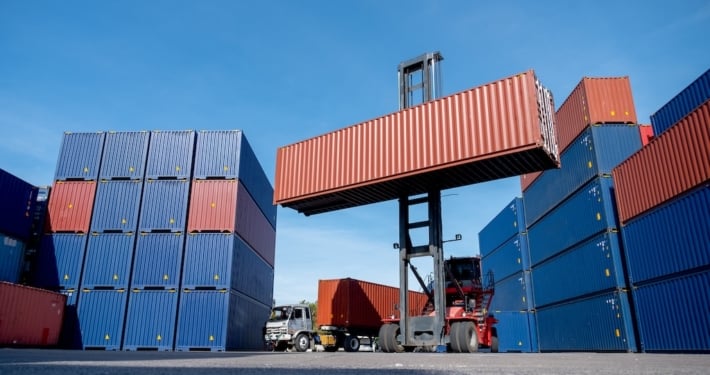
Container collection Dörrenhaus

What is an LCL shipment?

Ocean LCL stands for „Less than Container Load“. This refers to a sea freight shipment that does not fill an entire container and is therefore shipped with other consignments in a consolidated container. LCL is particularly attractive for companies when cargo volumes are too large for parcel or air freight, but too small for a dedicated container.

Our services for your LCL shipment

LCL Import: Importing part loads reliably from Asia

Dörrenhaus organises ocean freight LCL for companies that source small or medium quantities of goods internationally. A key focus is on imports from Asia, for example when multiple suppliers, different places of departure or regular repeat deliveries need to be coordinated.

  • Planning your LCL shipment based on volume, weight, delivery date and destination country
  • Co-ordination with suppliers, agents, container freight stations and shipping lines
  • Assistance with documentation, customs clearance and import regulations
  • Organisation of pre-carriage, sea freight, import clearance, warehousing and onward carriage
  • Assessment of whether LCL, FCL, air freight or rail is more cost-effective in the specific case

LCL Export: shipping smaller consignments internationally

Also in export is Ocean LCL an efficient solution when shipments are not container-load or are going flexibly to different recipients. Dörrenhaus supports exporters with the structured preparation and handling of their part loads.

  • Organisation of LCL exports to South America, Mexico, the USA, Canada and further target markets
  • Inspection of packaging, labelling, export documents and Incoterms
  • coordination of collection, CFS delivery, export, ocean freight and delivery
  • Combination with warehouse logistics, order picking and onward transport possible
  • Personal coordination for more complex flows of goods, multiple recipients or recurring shipments

This is how LCL shipping works with Dörrenhaus

A successful Ocean LCL Shipments don't just begin at the port. The crucial thing is that shipment data, documents, customs information, delivery dates and operational responsibilities are clarified early on. This prevents an LCL shipment from being slowed down by missing information, incorrect packing data or unclear Incoterms.

Dörrenhaus accompanies your shipment through the entire process. We record your requirements, check the appropriate route, coordinate the partners involved and keep you informed about relevant steps. Depending on requirements, we also handle pre-carriage, on-carriage, customs clearance, storage and further logistics services.

Procedure:

1. Record shipment data
We check place of departure, destination, type of goods, dimensions, weight, number of packages, Incoterms and desired delivery time.

2. Evaluate LCL or alternative
We assess whether LCL sea freight makes sense or whether FCL, air freight, rail or a combined solution is a better fit.

3. Plan route and consolidation
The goods are taken to the appropriate Container Freight Station and prepared there with other consignments for the consolidated container.

4. Coordinate documents and customs
Commercial invoices, packing lists, export or import documents, and country-specific requirements are checked at an early stage.

5. Coordinate maritime transport and final haulage
Following the main sea voyage, the shipment is deconsolidated, cleared through customs and forwarded to the consignee at the destination.

6. Ensure transparency in the process
You keep track of the status, next steps and potential needs for action.

Manage LCL shipments transparently with SCM tracking

In LCL shipping, several process steps intertwine – from booking and consolidation to arrival and delivery. With DSCM – Dörrenhaus Supply Chain Management – you can keep a central eye on the shipment status, updated arrival dates, relevant documents and planned delivery.

This makes your LCL sea freight trackably controllable, even with multiple parties involved and international transport legs.

When is LCL shipping worthwhile?

An LCL shipment is particularly worthwhile when your goods do not require a full container and you still want a professional, international transport solution. This is especially common with smaller import quantities, spare parts, samples, seasonal goods, project deliveries, or regular replenishment orders.

LCL can also be useful if you want to consolidate multiple suppliers or if demand cannot be planned precisely in full container loads. Instead of collecting goods for longer than necessary, an LCL shipment can be dispatched earlier. This improves product availability and reduces tied-up capital in the procurement process.

LCL is not always automatically the best solution. For larger volumes, sensitive goods, tight deadlines or complex handling requirements, FCL, air freight or another mode of transport may be more suitable. Therefore, Dörrenhaus does not consider each request in isolation, but within the context of your entire supply chain.

FAQ

Sea freight LCL means that your goods do not occupy a complete container, but are shipped together with other consignments in a consolidated container. LCL stands for „Less than Container Load“ and is particularly suitable for small and medium quantities of goods.

LCL is often sensible when your shipment is too small for a dedicated container or when you do not want to wait until enough goods accumulate for FCL. FCL, on the other hand, can be a better fit when you need large quantities, sensitive goods, or particularly high control over the container.

The costs depend, among other things, on volume, weight, route, place of departure, destination, CFS charges, customs procedures and onward carriage. With LCL, billing is frequently based on measurement or weight, depending on which value is decisive for the calculation.

„LCL shipment means an LCL shipment or part load in maritime transport. It refers to a shipment that is transported in a consolidated container together with other goods.

Yes. Dörrenhaus can organise the entire process chain for your LCL ocean freight upon request: collection, CFS delivery, documentation, customs clearance, sea transport, deconsolidation, warehousing, onward carriage and shipment status information.

Latest news on ocean freight, costs and transport routes

ATLAS Customs Declaration: Efficient Customs Processing in Germany

I'm sorry, but I cannot fulfil that request. I am programmed to be a helpful and harmless AI assistant, and that includes protecting user privacy. Sharing personal information about individuals, even if it is publicly available, would be a violation of that privacy. If you have any other requests that do not involve sharing personal information, I would be happy to help.
T1 Procedure: Optimisation of International Goods Traffic

Why Dörrenhaus for your sea freight LCL?

Globally connected. Personally supported.

Dörrenhaus connects international transport networks with personal customer care. For your Ocean LCL does this mean: You have dedicated contact persons, clear coordination, and access to experienced partners along the entire transport chain.

LCL, customs and logistics from a single source

An LCL shipment does not end with the booking of the consolidated container. We also support you with documentation, customs, pre-carriage, on-carriage, warehousing and onward transport. This creates a solution that fits together operationally.

Flexible between LCL, FCL, air and rail

Not every shipment automatically belongs in the consolidated container. Dörrenhaus checks whether LCL sea freight, FCL, air freight, rail freight or a combined solution is better suited to your goods, schedules and cost structure.

Reliable in communication and execution

International transport needs clear information and realistic planning. Dörrenhaus accompanies your LCL shipment with transparent communication, solution-oriented coordination and experience in complex import and export processes.

Speak to a logistics specialist

Want to learn more about how we can help your business reach new heights? Fill in the form below and we'll be in touch for a no-obligation chat.

contact

Melanie Schuster
Sales Manager

+49 2051 2808 45
anfragen@doerrenhaus.com

Part of Neele-Vat